
Clothing speaks in silence. It is among the first things the eye notices, revealing something of a person’s taste, self-care, and awareness of the setting in which they appear. Attention to dress therefore reaches beyond adornment; it becomes part of dignified appearance and the refinement of one’s presence.
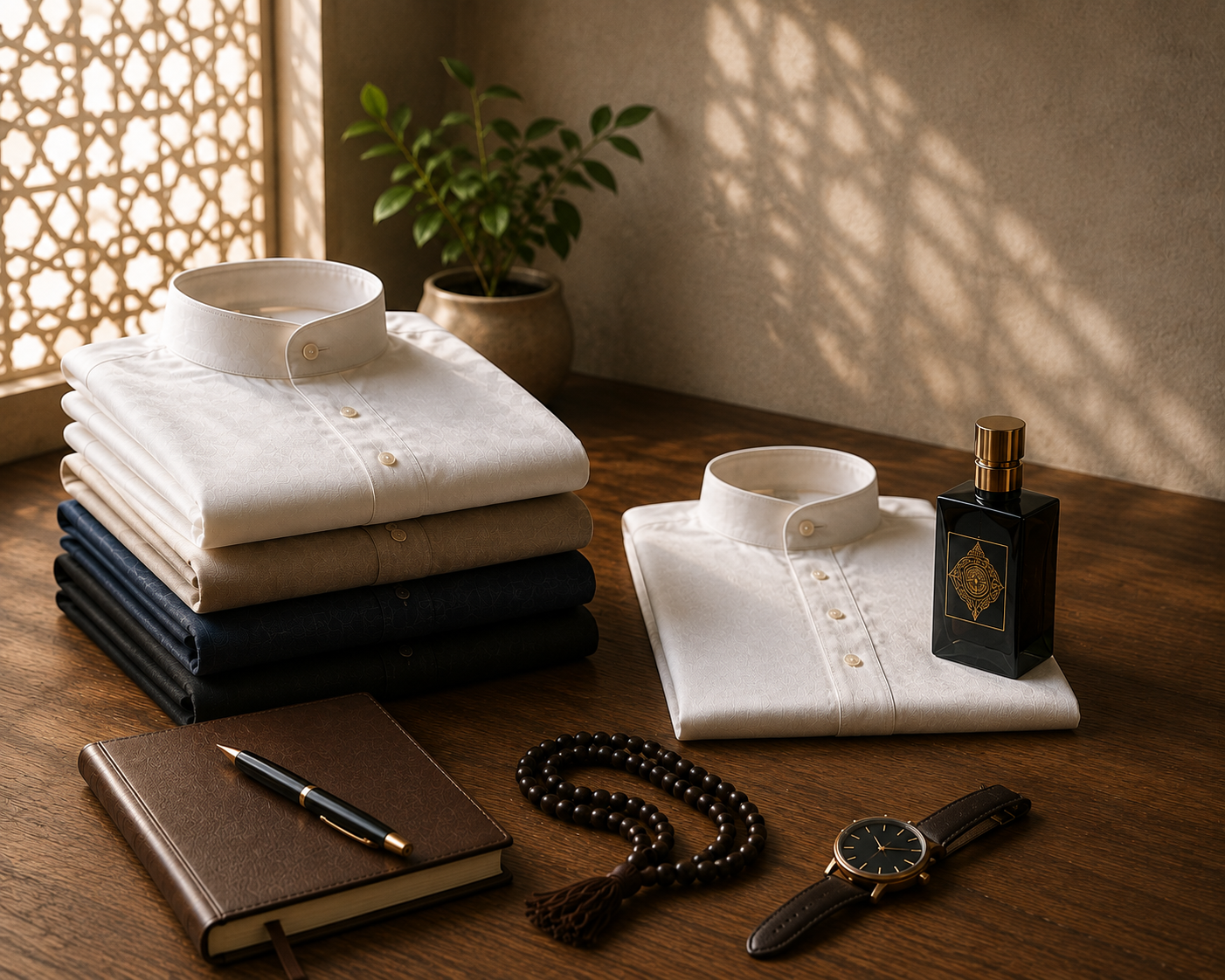
True elegance begins with thoughtful choice: clean clothing, a well-groomed appearance, harmonious colors, and attire suited both to the individual and to the occasion. Together, these elements create beauty without affectation and dignity without pretension. Simplicity, when guided by good taste, produces a quiet and enduring elegance. The Prophetic guidance affirms the value of beauty in a profound and concise statement: “Indeed, Allah is Beautiful and loves beauty.” (Muslim ibn al-Ḥajjāj, Ṣaḥīḥ Muslim, Hadith 91).
Clothing also reflects a person’s awareness of context. The workplace has its appropriate appearance, gatherings carry their own considerations, occasions have their particular character, and everyday life calls for what suits its nature. Good taste lies in recognizing these distinctions and choosing attire that brings together personal comfort, respect for the setting, and consideration for those around us.
The value of appearance reaches its fullness when supported by refined character. Clothing may shape a first impression, while character gives that impression meaning and permanence. When a graceful appearance is joined with gracious conduct, dignity with humility, and attention to dress with nobility of behavior, beauty acquires a deeper influence and a higher significance.
Quiet elegance, then, is a culture of thoughtful choice, an awareness of context, and a refined sense of what befits a person. Through it, one brings together beauty of appearance and dignity of character, allowing clothing to become a subtle expression of taste, maturity, and respect for oneself and for others.
· 2026-08-09
Quiet Elegance: When Clothing Reflects Awareness and Taste
By Dr Rabbani